Cockroaches are among the most stubborn household pests. They spread diseases, contaminate food, trigger allergies, and multiply rapidly if left untreated. While many homeowners try sprays and homemade remedies, these often provide only temporary relief. To eliminate cockroaches permanently, you need a combination of proper sanitation, prevention, and professional pest control.
In this guide, we’ll explain why cockroaches invade homes, where they hide, how to remove them effectively, and the steps you can take to ensure they never return.
Why Cockroaches Are Dangerous
Cockroaches are not just unpleasant to look at—they can pose serious health risks.
They often crawl through:
- Sewers
- Garbage bins
- Drainage systems
- Dirty environments
As they move around your home, they carry bacteria and other contaminants onto food preparation surfaces, kitchen utensils, and stored food.
Cockroaches have been linked to the following:
- Food contamination
- Diarrhea
- Typhoid
- Cholera
- Dysentery
- Allergic reactions
- Asthma attacks, especially in children
Their droppings, saliva, and shed skin can also trigger respiratory issues in sensitive individuals.
Why Cockroaches Keep Coming Back
Many homeowners wonder why cockroaches return shortly after spraying insecticides.
The answer is simple.
Most DIY treatments kill only the cockroaches you can see—not the hidden nests, egg cases, or breeding adults concealed behind walls, under appliances, and inside cracks.
Cockroaches reproduce quickly. A single female can produce dozens of offspring, and those offspring mature into breeding adults in a matter of weeks under favourable conditions.
Unless the source of the infestation is eliminated, new cockroaches will continue to appear.
Common Types of Cockroaches Found in Homes
Although there are thousands of cockroach species worldwide, only a few commonly invade homes.
These include:
German Cockroach
The German cockroach is the most common household species. It is small, light brown, and reproduces extremely quickly.
Common hiding places include:
- Kitchen cabinets
- Under sinks
- Behind refrigerators
- Near dishwashers
American Cockroach
This is one of the largest cockroach species.
They usually live in:
- Drains
- Sewers
- Basements
- Store rooms
Brown-Banded Cockroach
Unlike other species, these cockroaches prefer warm, dry places such as the following:
- Bedrooms
- Furniture
- Wardrobes
- Electrical appliances
Signs You Have a Cockroach Infestation
Early detection makes treatment much easier.
Common warning signs include:
- Live cockroaches, especially at night
- Small black droppings
- Egg cases
- Musty unpleasant smell
- Brown smear marks along the walls
- Shed cockroach skins
- Dead cockroaches appear regularly
If you notice several of these signs, your home likely has an established infestation.
What Attracts Cockroaches to Your Home?
Cockroaches are attracted by three basic needs:
Food
They eat almost anything.
Examples include:
- Bread crumbs
- Rice
- Leftovers
- Pet food
- Sugar
- Grease
- Food waste
- Cardboard
- Paper
- Glue
Water
Cockroaches cannot survive long without moisture.
Common water sources include:
- Leaking pipes
- Wet sinks
- Bathroom floors
- Standing water
- Air-conditioner leaks
Shelter
Cockroaches prefer dark, warm places where they feel protected.
Typical hiding spots include the following:
- Behind refrigerators
- Inside cabinets
- Under furniture
- Ceiling spaces
- Wall cracks
- Cardboard boxes
- Store rooms
Step-by-Step Guide to Getting Rid of Cockroaches Permanently
Step 1: Deep Clean Your Home
Cleaning is your first line of defence.
Focus on:
- Wiping kitchen counters daily
- Sweeping floors after meals
- Vacuuming regularly
- Cleaning behind appliances
- Removing grease buildup
- Washing dirty dishes immediately
- Cleaning cupboards
- Emptying trash bins every day
Never leave food exposed overnight.
Step 2: Remove Their Water Sources
Fix:
- Leaking taps
- Broken pipes
- Running toilets
Dry:
- Kitchen sinks
- Bathroom floors
- Laundry areas
Cockroaches struggle to survive without water.
Step 3: Seal Entry Points
Cockroaches enter through surprisingly small openings.
Seal:
- Wall cracks
- Pipe openings
- Door gaps
- Window gaps
- Broken vents
Weather stripping and silicone sealants are inexpensive but highly effective.
Step 4: Store Food Properly
Use airtight containers for:
- Rice
- Flour
- Sugar
- Cereals
- Garri
- Beans
Avoid leaving fruits or cooked food uncovered overnight.
Step 5: Declutter Your Home
Cardboard boxes, newspapers, and unused items provide excellent hiding places.
Reduce clutter in:
- Garages
- Kitchens
- Store rooms
- Bedrooms
Step 6: Use Cockroach Baits
Baits are more effective than ordinary sprays because cockroaches carry the poisoned bait back to their nests.
This helps eliminate hidden colonies.
Place bait near:
- Kitchen cabinets
- Refrigerators
- Under sinks
- Dark corners
Step 7: Apply Gel Bait
Professional cockroach gel is one of the most effective treatments available.
It works because
- Cockroaches eat the gel.
- They return to the nest.
- Other cockroaches feed on contaminated droppings and dead insects.
- The poison spreads throughout the colony.
Step 8: Use Sticky Traps
Sticky traps help
- Monitor infestations
- Identify hiding places
- Measure treatment progress
Although they won’t eliminate an infestation on their own, they are useful as part of an integrated approach.
Step 9: Dispose of Waste Properly
Always:
- Use covered trash bins
- Empty bins daily
- Wash bins regularly
- Avoid overflowing garbage
Garbage attracts cockroaches quickly.
Step 10: Hire Professional Fumigation Services
When the infestation is severe, professional treatment is the fastest and most reliable solution.
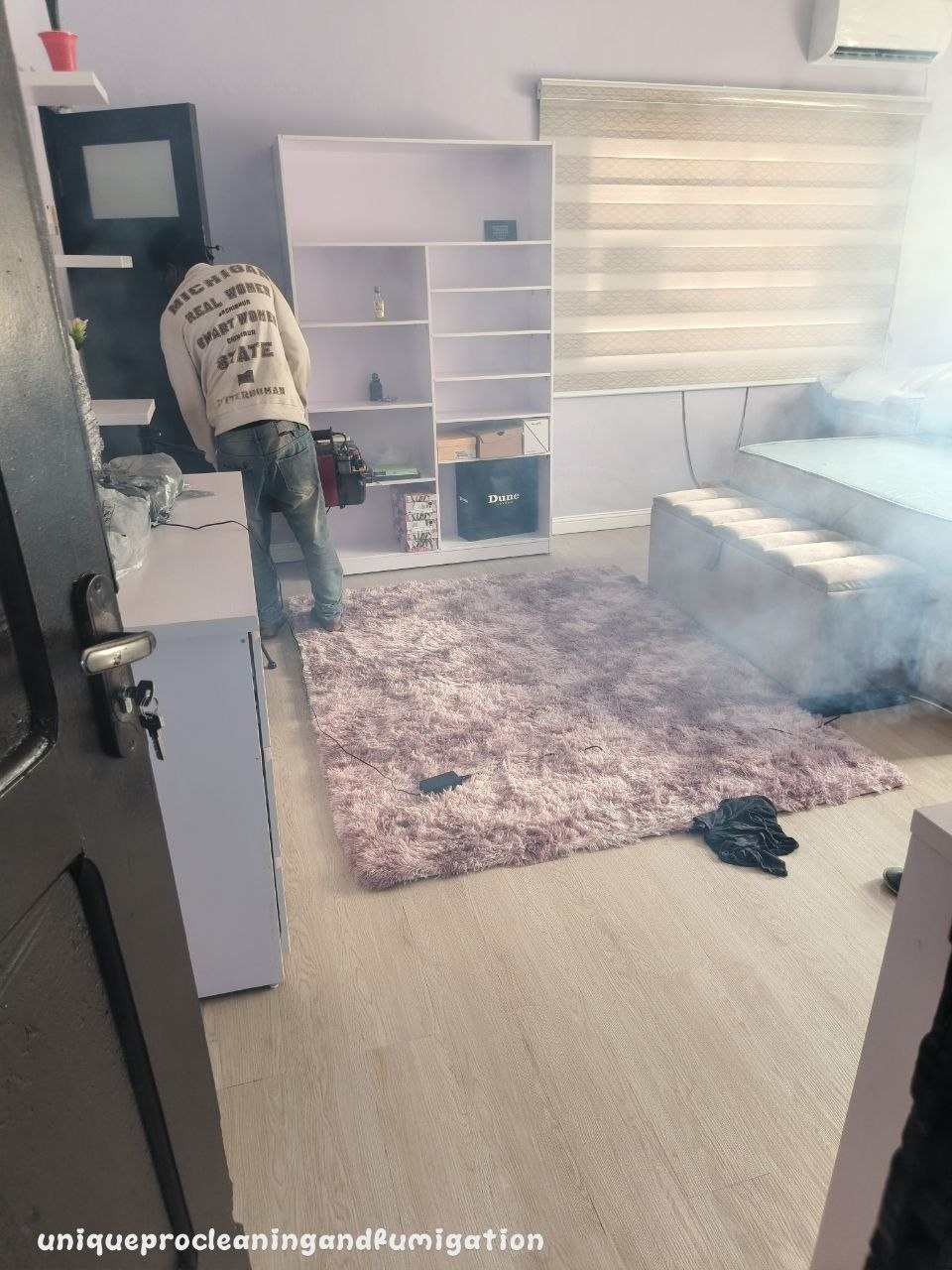
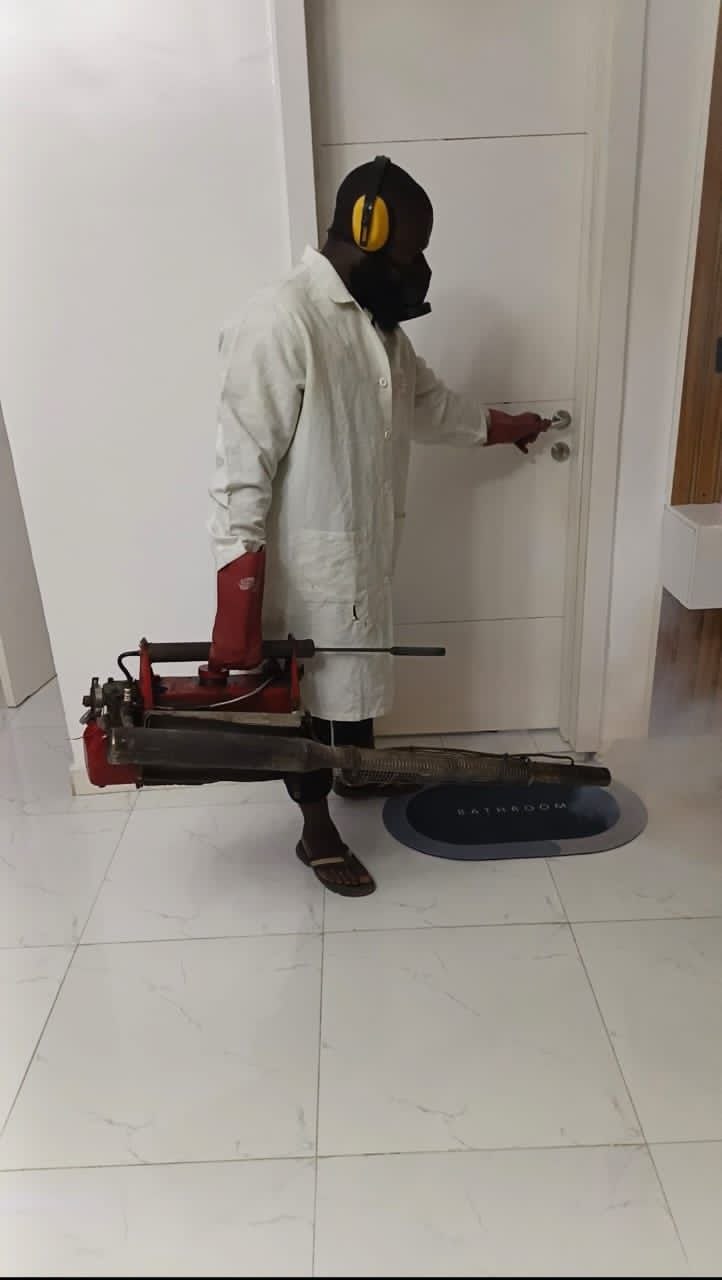
Professional pest control technicians use specialised equipment and products that reach hidden nesting areas, helping eliminate both adult cockroaches and their breeding sites.
A professional inspection can also identify the conditions allowing the infestation to persist, reducing the likelihood of future problems.
Home Remedies: Do They Work?
Many people try home remedies before seeking professional help.
Common options include:
- Baking soda
- Sugar mixtures
- Vinegar cleaning
- Bay leaves
- Essential oils
While these methods may discourage or kill some cockroaches, they rarely eliminate an established infestation because they do not reach hidden nests or egg cases.
Mistakes That Make Cockroach Problems Worse
Avoid these common mistakes:
- Spraying only visible cockroaches
- Leaving dirty dishes overnight
- Ignoring leaks
- Keeping overflowing trash bins
- Leaving pet food out overnight
- Failing to seal cracks and gaps
- Skipping regular deep cleaning
- Waiting too long before seeking professional help
How to Prevent Cockroaches from Returning
After treatment, prevention is essential.
Maintain these habits:
- Clean your kitchen daily.
- Store food in sealed containers.
- Empty trash regularly.
- Fix leaks promptly.
- Seal cracks around the home.
- Reduce clutter.
- Schedule routine pest inspections if you live in a high-risk area.
- Consider periodic professional preventive treatments where infestations are common.
Consistency is the key to long-term control.
Frequently Asked Questions
Can cockroaches survive after fumigation?
Some may remain temporarily if eggs hatch after treatment. Follow-up inspections or treatments may be recommended depending on the severity of the infestation.
How long does professional cockroach treatment last?
The duration varies depending on the treatment method, sanitation practices, and environmental conditions. Ongoing prevention greatly improves long-term results.
Is fumigation safe for children and pets?
Professional pest control companies provide instructions to help ensure treatments are carried out safely. Always follow the technician’s guidance regarding re-entry times and preparation.
Why do I see more cockroaches after treatment?
Some treatments drive cockroaches out of their hiding places before they die. This can make activity seem higher for a short period.
Final Thoughts
Getting rid of cockroaches permanently requires more than killing the insects you see. Lasting control comes from removing the conditions that allow them to thrive—food, water, shelter, and access points—combined with effective treatment.
For minor problems, improved sanitation and preventive measures may be enough. For larger infestations, professional pest control offers the most reliable solution by targeting hidden breeding areas and reducing the chance of reinfestation.
If you’re struggling with recurring cockroach problems, taking action early can save you time, money, and unnecessary stress while helping keep your home cleaner, healthier, and more comfortable.
Need Professional Cockroach Control?
If cockroaches keep returning despite your efforts, our experienced pest control specialists can help.
Our services include:
- Professional Cockroach Treatment
- Residential Fumigation
- Office Pest Control
- Restaurant Pest Management
- Preventive Pest Control Programs
- Safe and Effective Treatment Solutions
- Affordable Inspection and Treatment Plans
Contact us today for a professional inspection and enjoy a cleaner, healthier, and cockroach-free home.